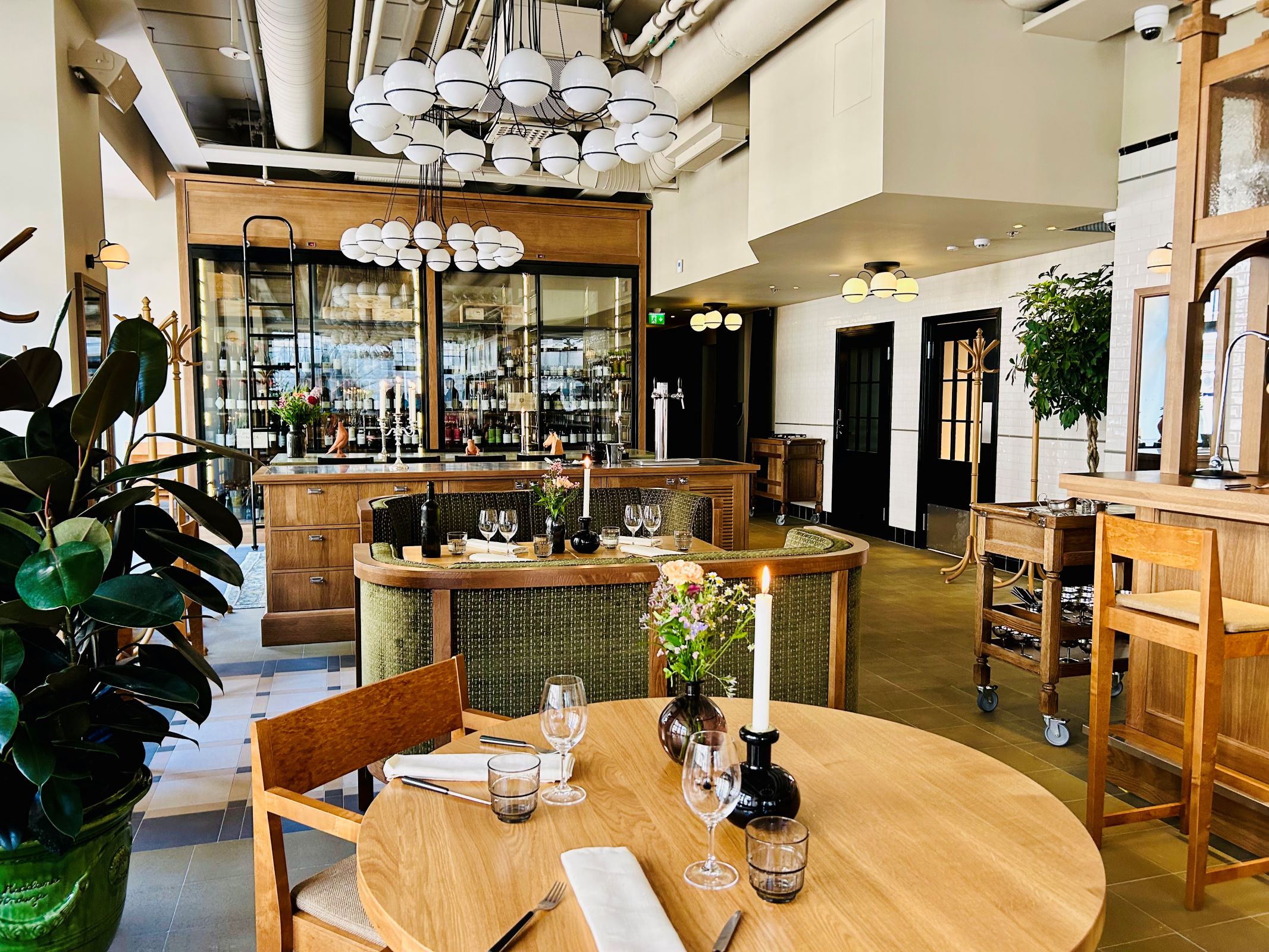
Bouchon Carême on Helsingin sydämessä sijaitseva ravintola, joka tuo ranskalaisen maalaiskeittiön ja Lyonin gastronomisen perinteen suoraan Aleksanterinkadun historialliseen miljööseen. Ravintolan takana on nelikko, joka on jo aiemmin vakuuttanut pääkaupungin ruoan ammattilaiset ja ystävät: Hans Välimäki, Maria von Graevenitz, Arto Rastas ja Miika Lönn. Kunnianhimoinen projekti on heidän kolmas ravintola-avauksensa vuoden sisällä (Gina, The Rook sekä jo aiemmin avattu Bistro Bardot). Ja lisää on tulossa, kun Brasserie Lionne avautuu vapun tienoilla Pohjoisesplanadille.
Bouchon Carême on kunnianosoitus ranskalaisen keittiön legendalle, Marie-Antoine Carêmelle, joka tunnetaan haute cuisine -keittotaidon pioneerina. Ravintola yhdistää Lyonin bouchon-perinteen ja ranskalaisen maalaiskeittiön klassikot moderniin, mutta retronostalgiseen ja lämminhenkiseen ympäristöön. Ravintolan sisustus korostaa tammen lämpöä ja arvokkuutta, avaruutta ja valoa, ja toisen kerroksen suuret ikkunat tarjoavat upeat näkymät Helsingin keskustaan.
Ravintolan ruokalista on kunnianosoitus ranskalaiselle keittiölle, jossa liha, kala, äyriäiset ja sesongin kasvikset ovat keskiössä. Erityistä huomiota herättää Service Au Chariot -konsepti, jossa annokset valmistetaan ja tarjoillaan suoraan asiakkaiden pöytien ääressä. Tämä luo intiimin ja inhimillisen tunnelman, joka erottaa Bouchon Carêmen muista keskihintaisten yläkategorian ravintoloista. Lisäksi ravintolan viinivalikoima, joka painottuu Ranskan viinialueisiin, on yksi kaupungin kattavimmista.
Bouchon Carême ei ole pelkästään ravintola, vaan myös elämys, joka tuo Joie de Vivre -asenteen, elämänilon Helsingin ruokakulttuuriin, eli iloista elämännautintoa, hengen riemua ja yleistä onnea, joka voi olla keskustelun iloa, syömisen iloa, iloa kaikesta.
Bouchon Carême ei pelkästään tarjoa ruokaa, vaan myös tarinoi, ja on täynnä ammattitaitoa, intohimoa, perinteitä ja innovaatioita.
Kuva Eeropekka Rislakki
Äänestäjiltä
”Uusi tuulahdus maailmalta Helsingin ravintolatarjontaan. Rehellinen ja monipuolinen. Ruoka on maukasta ja hyvin valmistettua. Lisäplussaa kattavasta ja upeasta viinilistasta. Hansin ja Marian tekemisessä on ruutia ja persoonallisuutta. Omannäköinen punainen lanka on löytynyt, ja se on kirkas ja iloinen.”
Bouchon Carême
Aleksanterinkatu 13, toinen kerros, 00100 Helsinki
Verkossa
Facebook
Instagram

Facebook Comments